
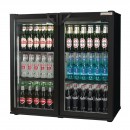
 Bottle Coolers & Beer Fridges
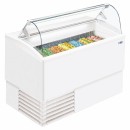 Ice Cream Displays
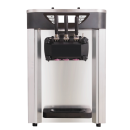 Ice Cream Machines
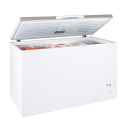 Chest Freezers
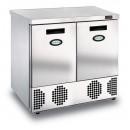 Commercial Freezers
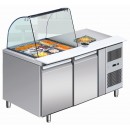 Commercial Fridges
 Ice Cube Makers and Flakers
 Wine Coolers
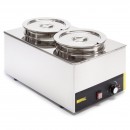 Bain Maries
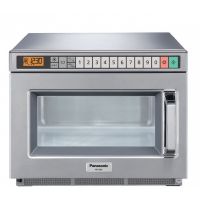 Commercial Microwaves
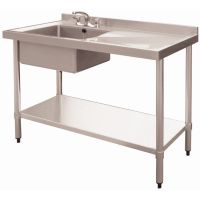 Commercial Sinks
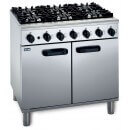 Commercial Ovens
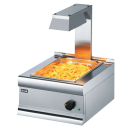 Fryers and Chip Scuttles
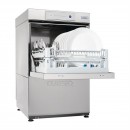 Glass and Dishwashers
 Pie Warmers & Hot Food Displays
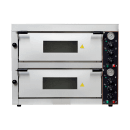 Pizza Ovens
 Water Boilers
 Bar Supplies
 Bowls & Display Baskets
 Cash Registers
 Chafing Dish Sets & Fuel
 Menus & Boards
 Table Numbers & Stands
 Salt, Pepper & Spice Mills
 Crockery
 Cutlery
 Glassware
 Wine Glasses
 Bins
Bins Cleaning Chemicals
 GreasePak
 Janitorial Equipment
 Laundry Equipment
 Coffee Machines
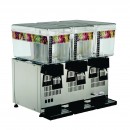 Juice Dispensers
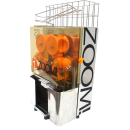 Juicers
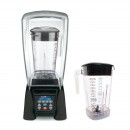 Drink Blenders
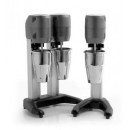 Milkshake Blenders
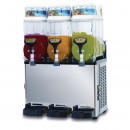 Slush Machines
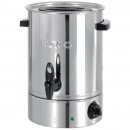 Water Boilers
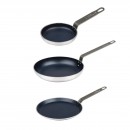 Cookware
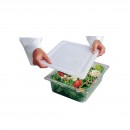 Gastronorm Containers
 Ingredient Bins
 Pastry & Baking
 Utensils
 Pizza Pans & Equipment
 Food Storage
 Food Transport & Delivery Bags
 Folding Furniture
 Garden and Outdoor Furniture
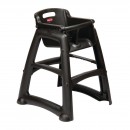 High Chairs
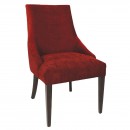 Chairs
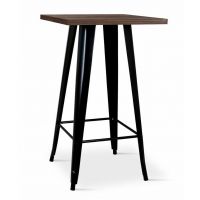 Tables
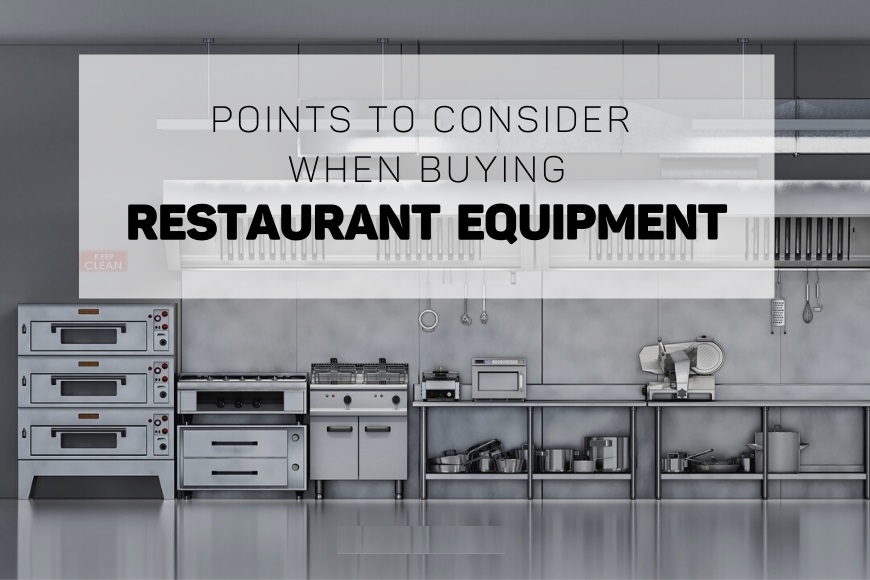
When you talk about catering equipment or restaurant equipment, it can cover everything from a dining table, ice machines, to commercial ovens, refrigerator, grills, pots and pans, and so much more. It is such a wide-ranging category and aspect of starting a catering or commercial kitchen, that it requires painstaking planning. Among the things that should be included in the planning are costs, logistics, storage, availability of skilled manpower to operate some of the equipment, and power usage among other considerations.
Be it you want to start a new catering or restaurant business or you just want to inject additional capital investment in your existing catering/commercial kitchen business, shopping for these pieces of equipment can be overwhelming, particularly if you don’t know what you need to look out for.
This is practically the biggest expenditure you will make, and as such, it will be a long-term investment that should payout and even some more.
If you are looking to get into the market and buy these pieces of equipment, you have come to the right place. This post talks in detail about everything you need to know about buying catering or restaurant kitchen equipment.
Catering Equipment
Every commercial kitchen should have industry-quality equipment that can last long and withstand heavy-duty use that involves wet and extremely hot environments. Before buying any commercial kitchen equipment, make sure you take the following things into considerations:
- Space: This sounds pretty obvious, but the first thing you need to keep in mind when buying any equipment is the available space, otherwise, the unit will not fit in. The last thing you want is to reconfigure your kitchen or have to return the equipment to the hardware because it did not fit in its designated space.
- Cost: By cost, I mean does it make financial sense to buy the appliance or you are better off renting? Deciding whether to buy or rent is an important one, and should be taken from a financial point of view. You don’t want to spend thousands of dollars on an item that you could rent for hundred dollars.
- Energy use: Almost every piece of kitchen equipment will use power, and thus, it is essential to know each unit’s power requirement before buying. Don’t be afraid to consider the cost of the whole lifetime.
- Regulations: Does this equipment meet the legislative requirements? Most current legislative provisions are designed to save users money. For instance, the Minimum Energy Performance Standards is legislation that aims to steer the world towards energy-efficient models, with the appliances rated on the scale of A to G.
For a start, you need a set of essential equipment such as:
Convection Oven
Any catering business or restaurant should have a convection oven, designed to endure heavy-duty use and which is compatible with different kinds of burners. There are generally two types of convection ovens in terms of power requirements – gas and electric. The former is often recommended because it is cost-effective. Generally, you will come across – countertop ovens and floor ovens. The former models are usually compact, thus can be used easily in a commercial kitchen, particularly where space is limited. Their small size also makes them easy to store, install, and transport. Floor ovens will come in either full-size or half-size while others feature bakery-depth to allow you to load large sheet skillets front to back. Most floor ovens are stackable, thus enabling you to use them without taking too much of your floor space.
Next, we are going to talk about cooking appliances.
Commercial Fridge
Your commercial kitchen won’t be able to function without a commercial fridge such as counter fridge and freezer as these two are needed to provide service before the guests arrive or the function starts. The undercounter freezer and fridge can store some of your fresh ingredients, which you can easily access whenever needed. When buying a refrigerator for your commercial kitchen, be sure it has the right capacity to accommodate all your needs. Commercial fridges are made to handle constant use.
You also need a reliable prep station. The prep area should, for logistic purposes, be located near the food storage zone and the refrigerator. Needless to say, you need an easy path between the food storage and preparation station otherwise you will create an even bigger mess in a traditionally messy environment. Be sure to get stainless steel or any other durable material, prep station because it is not only long-lasting but also easy to clean.
In addition to the commercial fridge, you will also need the following essential equipment:
Fryers: Due to their ability to prepare certain types of foods efficiently, deep fryers are must-have catering equipment for any commercial kitchen. Ideally, you want to have a pair of fryers in order to prevent such things as cross-contamination of ingredients and foods. Fryers also come in two major design categories – countertop and free-standing fryers. Countertop fryers are usually used and or are ideal for small commercial kitchens while free-standing fryers are ideal for large quantities of foods.
Grills and griddles: These two pieces of kitchen equipment are time and space-savers. You can mount a grill on the shelves over the ovens or put it on a customized stainless steel ridge. Grills will be required to finish efficiently the tops of your foods while the griddles, a flat plate with high heat conductive, are used to prepare high volumes of food.
Microwaves: This perhaps one of the most versatile kitchen appliances out there. It is a necessity for any catering kitchen as it uses very little power and is inexpensive and easy to maintain.
Extraction Units: For you to install this equipment, your kitchen should pass the convention of a commercial kitchen, which is something I assume you have already checked with your local government or city council.
After Service Equipment: After service equipment includes Dishwashers: Having a dishwasher is essential for a commercial kitchen. However, you want to make sure you choose the right size that will fit in the available space in your kitchen. Since you are operating in a limited space, an under-the-counter unit might be ideal for you since it is a super space-saver.
Thanks for stopping by and reading our blog article.